Call today! 704-536-6667
Do tinted windows help with heat? Yes, window tint significantly reduces heat buildup in cars and homes by blocking infrared radiation, reflecting solar energy, and limiting the amount of heat transfer through the glass. Depending on film performance and environmental conditions, window films can measurably reduce interior heat buildup, though exact temperature reductions vary.
Sun Stoppers Window Tinting in Charlotte put together this guide to help you understand how tinted windows reduce heat, compare film types by TSER and VLT, and choose the right option for your car or home in Charlotte, NC.
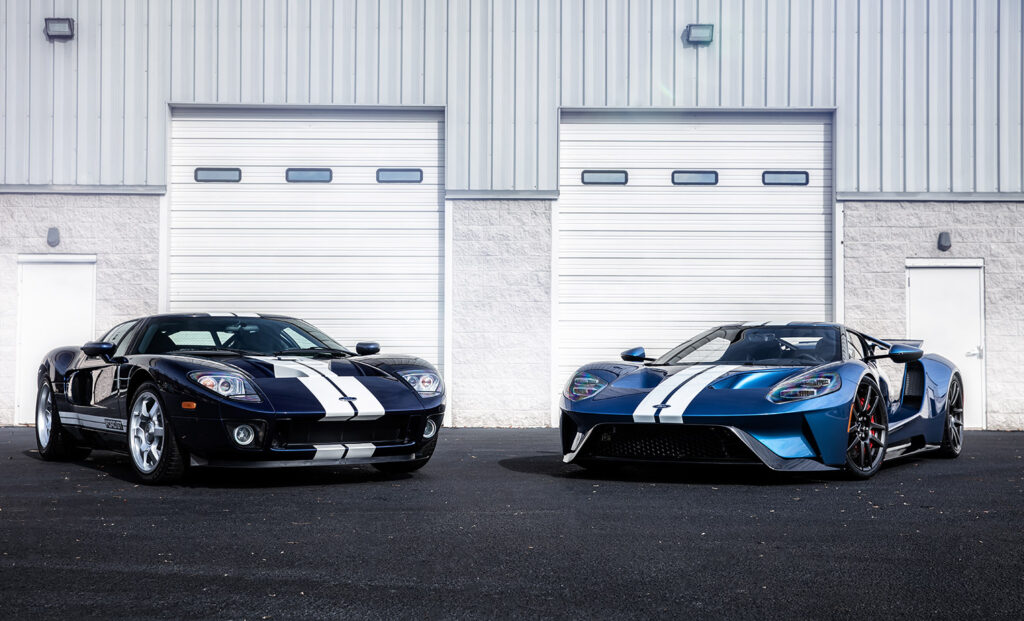
Window tint reduces heat by blocking, absorbing, and reflecting solar energy before it passes through the glass.
| Heat Source | % of Total Solar Heat | How Film Addresses It |
|---|---|---|
| Infrared (IR) radiation | ~53% | Ceramic and carbon films block and reflect IR (primary heat source) |
| Visible light | ~44% | Lower VLT reduces light-based heat gain |
| Ultraviolet (UV) radiation | ~3% | Most films block up to 99% of UV rays |
Infrared radiation is the primary contributor to solar heat gain through glass, which is why ceramic films, designed specifically to block IR, outperform dyed films that only reduce visible light.
By reducing the amount of solar energy entering the glass, window film lowers heat buildup and reduces heat transfer into the interior. Under strong sunlight, quality window films can drop interior air temperatures by up to 8°C (14.4°F), with real-world results varying based on film TSER, sun exposure, and vehicle type.
The standard measurement for heat rejection performance is TSER – Total Solar Energy Rejected. TSER tells you what percentage of combined UV, visible, and infrared solar energy a film prevents from entering.
| TSER Range | Performance Level | Typical Film Type |
|---|---|---|
| 70%+ | Excellent | Premium ceramic |
| 50 to 70% | Good | Quality carbon or ceramic |
| 30 to 50% | Moderate | Standard carbon or metalized |
| Below 30% | Low | Dyed film |
The U.S. Department of Energy estimates that energy-efficient window films can reduce home cooling costs depending on multiple factors such as climate, window area, and film performance. Annual homeowner savings will vary widely based on these same factors and cannot be generalized to a fixed range.
For vehicles, higher TSER means cooler cabins, less AC runtime, and lower fuel or battery consumption.
How to use this: When comparing films, check TSER for heat performance and VLT for visibility. A film with 60% TSER at 35% VLT rejects significantly more heat than a dyed film with 30% TSER at the same VLT.
| Film Type | IR Blocking | TSER Range | Signal Safe | Durability | Best For |
|---|---|---|---|---|---|
| Ceramic | Up to 98% | 60 to 80%+ | Yes | High | Maximum heat rejection |
| Carbon | High | 50 to 70% | Yes | Medium-High | Balance of performance and cost |
| Metalized | High | 45 to 65% | No | High | Reflectivity, scratch resistance |
| Dyed | Low | 20 to 35% | Yes | Low | Privacy, aesthetics, low budget |
Ceramic tint uses non-metallic ceramic particles to block infrared radiation before it enters the interior. It delivers high infrared rejection performance relative to other consumer film types, based on manufacturer testing data, without affecting GPS, mobile, or radio signals.
Ceramic films are commonly selected by professional installers for heat rejection performance, though usage varies by installer and region. They maintain optical clarity over time and carry manufacturer warranty coverage for peeling, bubbling, and color shift.
Carbon film offers strong heat rejection without metallic content. It provides a matte finish, stable long-term color, and solid TSER values at a lower price point than ceramic. A practical choice for drivers who want real heat performance without the premium cost of ceramic.
Metalized films reflect heat effectively but can disrupt radio, GPS, and cellular signals. Avoid them in modern vehicles with embedded antenna systems. Dyed films are the weakest performers for heat rejection. They fade over time and offer minimal TSER compared to ceramic or carbon.
TSER is the most useful number when comparing films for heat performance. It measures the percentage of total solar energy (UV, visible, and infrared combined) that the film prevents from entering.
VLT measures the percentage of visible light that passes through the combined glass and film.
| VLT % | Appearance | Legal For NC Front Windows? |
|---|---|---|
| 70% | Nearly clear | Yes |
| 50% | Light tint | Yes |
| 35% | Medium tint | Yes (minimum limit) |
| 20% | Dark tint | No |
| 5% | Limo tint | No |
Rule of thumb: Use TSER to choose your film for heat. Use VLT to confirm it’s legal and comfortable for visibility.
Yes, but tinted windows slow heat buildup rather than stop it entirely. A tinted car in direct sunlight will always be cooler than an untinted one, but temperatures still rise when a vehicle is parked and sealed.
A high-TSER ceramic film can reduce heat buildup compared to untreated glass, with temperature differences depending on sunlight intensity, exposure time, and vehicle conditions.
For drivers in Charlotte, NC, where summer temperatures regularly exceed 90°F, the difference between a tinted and untinted car after two hours in a parking lot is substantial.
Window film reduces HVAC load by blocking solar heat gain through glass before it enters the living space.
The U.S. Department of Energy estimates energy-efficient window films can reduce cooling costs by up to approximately 30%, depending on conditions such as climate, window exposure, and film type.
Example: A homeowner in Charlotte with 500 sq ft of south-facing windows and a quality ceramic film can see meaningful reductions in peak cooling demand during July and August, the two most expensive months for cooling in the Carolinas.
Cooler cabin temperatures mean less AC runtime, which translates directly to:
You can measure savings by tracking AC runtime and fuel consumption before and after installation.
Window tint provides modest winter benefits, though they are secondary to heat rejection performance.
| Film Feature | Winter Benefit |
|---|---|
| Low-E coating | Reflects thermal energy into the room |
| Standard solar film | Modest reduction in radiant heat loss through glass |
| Ceramic film | Some IR retention on cold days |
Films with low-emissivity (low-E) coatings perform best in winter by reflecting interior heat into the room rather than allowing it to radiate through the glass.
Expectation check: Window film is not a substitute for insulation. Winter benefits are real but modest. The primary value of window film in most climates is heat rejection in summer, not heat retention in winter.
| Film Type | Main Downside |
|---|---|
| Ceramic | Higher upfront cost |
| Carbon | Slightly lower TSER than premium ceramic |
| Metalized | Disrupts GPS, radio, and cellular signals |
| Dyed | Fades over time, lowest heat rejection |
Darker tints reduce nighttime visibility. Drivers who frequently drive at night or in low-light conditions should prioritize higher VLT values – even if that means accepting lower TSER performance.
North Carolina tint law requires front side windows to allow at least 35% of light to pass through (35% VLT) for all vehicles. Rear side and back windows on SUVs, vans, and trucks can be tinted to any darkness.
Always confirm your combined VLT, factory glass plus film, before installation. A 35% VLT film on glass that already reduces light by 15% will produce a combined reading around 30%, which fails NC’s legal threshold.
| Factor | DIY | Professional |
|---|---|---|
| Typical cost | Lower upfront | Higher upfront |
| Installation time | 4 to 6+ hours | 1 to 4 hours |
| Film quality | Limited options | Full range, including ceramic |
| Edge seal quality | Inconsistent | Clean and precise |
| Warranty | None | Manufacturer + installer |
| Risk of bubbling | High | Low |
| Long-term durability | Lower | Higher |
High-performance ceramic films require precise cutting and alignment to achieve correct edge seals and avoid bubbling or peeling. The quality of installation directly affects how long the film lasts and whether the manufacturer’s warranty remains valid.
For basic dyed film on a low-priority window, DIY may be acceptable. For any ceramic or carbon film on a vehicle or home, professional installation protects your investment.
Ready to reduce heat in your car or home in Charlotte? Sun Stoppers in Charlotte provides professional auto window tinting, residential, and commercial tinting using high-performance XPEL ceramic films and experienced installers who understand Charlotte’s climate and North Carolina tint laws.
Every installation includes a post-install meter reading, a stamped VLT tag, and written warranty documentation.
Before you call, have the following ready:
Request your written quote today and leave with documentation that confirms both performance and legal compliance.
Both. Quality films block infrared radiation (the main heat driver), visible light, and UV rays. Ceramic films specifically target infrared and can block up to 98% of IR at specific wavelengths, depending on the product.
Ceramic tint offers the highest heat rejection of any consumer film, with TSER values typically between 60% and 80%+. XPEL ceramic films are among the most commonly installed in Charlotte for drivers prioritizing heat performance.
A high-TSER ceramic film can lower interior temperatures by 10°F to 20°F compared to untinted glass under direct sun. Exact results depend on film TSER, vehicle color, and parking conditions.
For homes, yes. The U.S. Department of Energy estimates energy-efficient films can reduce cooling costs by up to approximately 30%, depending on conditions. Annual savings range from $30 to $450, depending on climate and window area.
Modestly. Films with low-E coatings reduce radiant heat loss through glass. Standard solar films offer minimal winter insulation benefit. The primary value of window tint in most climates is summer heat rejection.
No. Ceramic films use non-metallic particles and do not interfere with GPS, mobile, or radio signals. Metalized films can cause signal disruption. Choose ceramic or carbon to avoid this.
Yes, for the best results. Ceramic film requires precise cutting and alignment. DIY installation risks bubbling, poor edge seals, and voided warranty. Professional installation at an authorized dealer ensures the manufacturer’s warranty is valid.
TSER measures total solar energy rejected across UV, visible, and infrared bands. It tells you how much heat the film actually blocks. VLT only measures visible light transmission and tells you how dark the tint looks. Use TSER to compare heat performance; use VLT to confirm legal compliance and visibility comfort.