Call today! 704-536-6667
Stepping into a parked car in Charlotte during summer can feel like opening an oven, with interior temperatures often exceeding 130°F. That’s why more drivers are turning to ceramic window tint, a high-performance solution designed to block heat, not just darken glass.
But what is ceramic window tint, and is it really worth the higher price in Charlotte’s hot climate? In this guide from Sun Stoppers Window Tinting in Charlotte, we’ll break down how it works, how it compares to other types of window film, and whether it’s the right choice for your vehicle.
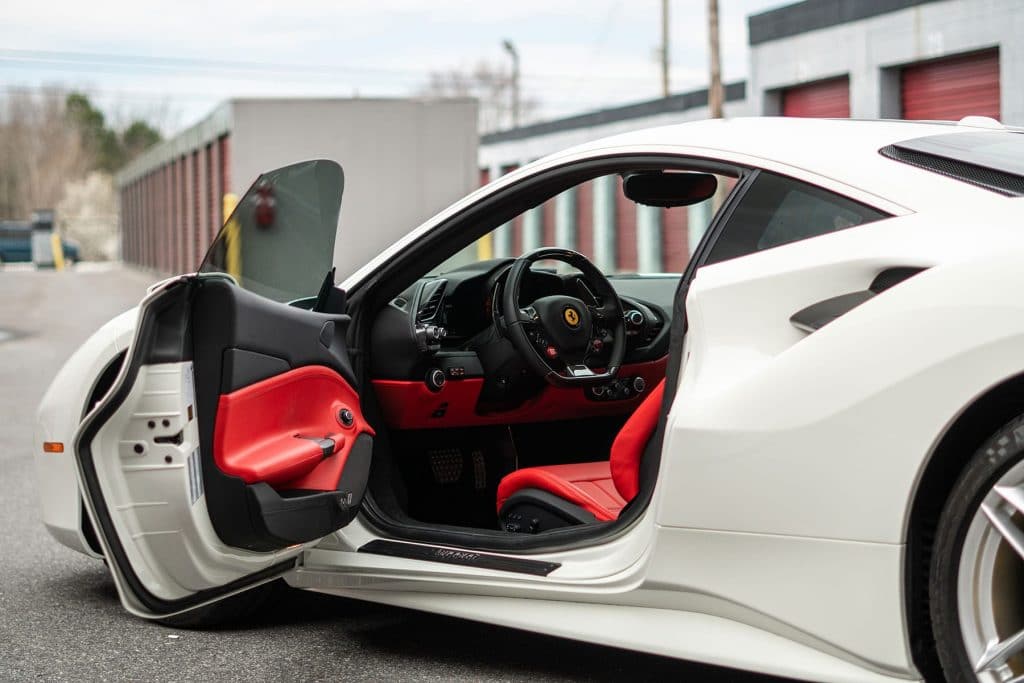
Ceramic window tint is a high-performance automotive window film made with nano-ceramic particles embedded into multiple layers of polyester.
These nano-ceramic particles interact with solar energy by blocking infrared (IR) radiation, the primary source of heat inside a vehicle, while still allowing visible light to pass through, depending on the selected VLT (Visible Light Transmission).
Unlike dyed or metallic films, ceramic tint:
Ceramic window tint blocks infrared heat rather than just reducing visible light, which is why it stays effective even at lighter shades.
Solar energy that reaches your car consists of three components:
Nano-ceramic particles:
This combination allows ceramic tint to significantly reduce heat, even when the tint looks relatively light.
Spectral selectivity: This property, the ability to discriminate between wavelengths, blocking infrared heat while allowing visible light to pass through, is the core technical differentiator between ceramic film and cheaper alternatives. Unlike dyed or carbon films, ceramic tint achieves high heat rejection without requiring a darker shade.
Real-world result: Interior temperatures can drop by approximately 10 to 25°F, depending on film quality, sun intensity, and vehicle conditions.
Ceramic window film is a multi-layer system engineered for performance. Each layer serves a specific purpose:
This is the first line of defense. It contains nano-ceramic particles that add surface hardness, reduce scratching, and protect the film from everyday wear and tear.
A simple, additive-free polyester substrate gives the film thickness and structure. No dyes, no metals, just a clean foundation.
This is the functional heart of the film. Nano-ceramic particles are fused into the laminate adhesive, creating the film’s VLT (Visible Light Transmission) rating. This layer controls how much light passes through, giving you the desired tint shade while maximizing solar heat rejection.
A second clear polyester layer sandwiches the ceramic adhesive, creating strength and depth in the film structure.
The final layer bonds the film securely to your car window glass during professional installation.
Note: Not all ceramic films are equal. Premium brands use magnetron sputtering, a vacuum-based deposition process that embeds ceramic nanoparticles at the atomic level, delivering significantly higher IRR and longer lifespan than basic coating methods.
Understanding these performance metrics is essential when comparing window tint options:
High-quality ceramic films typically achieve:
Tip: If your main goal is heat reduction, IRR is the most important metric to look at. For verified performance claims, look for films tested under ASTM E903 (solar transmittance) or ASTM D1003 (haze and clarity). Reputable manufacturers publish these test results in their spec sheets.
Understanding the full spectrum of window films helps clarify why ceramic tint performs better.
Below is a quick overview of the main tint types:
The entry-level option. Uses a liquid dye applied to polyester film to create darkness. It offers minimal heat rejection and basic privacy, but fades over time. Common issue: that purple hue you see on older cars.
A step up. Contains metallic flakes that reflect UV rays and add some window strength. The downside? It can interfere with GPS signals, Bluetooth, and cell phone reception.
A mid-grade blend of gray dye and titanium particles. Better clarity than pure dyed film, with some added UV blocking.
A popular mid-premium option. Uses carbon particles layered with dye for improved strength and color stability. Excellent value for the price.
High VLT, meaning it’s nearly clear but blocks significant infrared radiation. Best for people who want heat reduction without a darker tint shade.
The top tier. Uses non-metallic nano-ceramic particles to block up to 80–95% of infrared radiation and 99.9% of UV rays without signal interference.
Want help choosing the right tint for your car? Check out our guide on the best window tint options in Charlotte.
This comparison is based on typical industry ranges and manufacturer data:
| Feature | Ceramic | Carbon | Dyed | Crystalline |
|---|---|---|---|---|
| IR Rejection | 80 – 95% | 40 – 60% | 10 – 20% | 60 – 80% |
| UV Rejection | 99.9% | 99% | 95% | 99.9% |
| TSER | High | Medium | Low | High |
| SHGC | 0.30 to 0.50 | 0.50 to 0.65 | 0.70 to 0.85 | 0.35 to 0.55 |
| Lifespan | Over 10 years | 5 to 7 years | 2 to 5 years | Over 10 years |
| Signal Safe | Yes | Yes | Yes | Yes |
| Price Range | High | Medium | Low | High |
Key insight: Ceramic tint consistently outperforms other film types in heat rejection and long-term durability, making it the best choice for hot climates like Charlotte.
Once you understand how ceramic tint is made, the benefits make perfect sense. Here’s what ceramic window film delivers once installed:
Ceramic tint blocks a significant portion of infrared heat, the type of solar energy that turns your car cabin into an oven. Unlike dyed film, which only absorbs some light, ceramic film actively reflects and absorbs solar energy before it enters the vehicle.
Real-World Insight: Manufacturer data and installer tests show ceramic tint can reduce interior temperatures by approximately 10–25°F, depending on film quality, sun intensity, and vehicle conditions.
The practical result: Your car cools down faster, your air conditioning system works less, and your fuel efficiency may slightly improve, especially important for the prolonged hot summers in Charlotte.
Note: Fuel efficiency improvement is minimal, but reduced AC load can slightly improve energy usage, especially in EVs.
According to the Skin Cancer Foundation, UV exposure through car windows contributes to long-term skin damage, especially on the driver’s side.
Ceramic particles intercept and neutralize up to 99.9% of UV radiation before it reaches the cabin, protecting both your skin and your vehicle interior from long-term damage:
By blocking both types of UV radiation, ceramic tint helps preserve your vehicle’s interior and provides consistent protection every time you drive.
This is a major win over metallic tints. Because ceramic nanoparticles are non-metallic and non-conductive, they don’t block electronic signals. Your GPS navigation, Bluetooth connection, cell phone signal, and radio reception all stay crystal clear after installation.
Ceramic film reduces harsh sun glare and headlight glare from oncoming traffic. This improves driving visibility, especially during sunrise and sunset on Charlotte roads. And unlike metallic films, ceramic tint has a non-reflective finish that looks clean and professional, not shiny or mirrored.
Cheap tint bubbles. It peels. It turns purple. Ceramic window film does none of those things. It’s color stable, meaning it won’t fade or discolor even after years of sun exposure. Professional-grade films come with lifetime warranties in many cases, making this a one-time investment.
Choosing the right film depends on your goals:
Not all ceramic films are equal. Watch out for:
The cost of ceramic window tint in Charlotte depends on several factors, including vehicle size, film quality, and installation.
Typical pricing for ceramic tint installation:
Compare that to regular dyed tint, which typically runs $100–$300 for a sedan and $200–$500 for an SUV. Although ceramic tint has a higher upfront cost, its longer lifespan (10+ years vs. 2 to 5 years for dyed films) reduces replacement frequency and lowers total ownership cost. Additional value comes from improved comfort, reduced AC usage, and protection of interior materials.
Ceramic window tint typically takes 3 to 7 days to fully cure, depending on temperature and humidity.
During this period:
Short answer: yes, especially in Charlotte’s hot and humid climate.
Charlotte sees long stretches of intense summer heat. The inside of a parked car can reach temperatures well above 130°F on a sunny day. Ceramic window film with IR-blocking technology directly addresses that problem, reducing cabin temperature, cutting down AC load, and keeping your vehicle interior from deteriorating prematurely.
Beyond comfort, ceramic tint actively blocks UV radiation on every drive, making it worth the price on health grounds alone. Chronic exposure to ultraviolet radiation while driving is a real health concern, and ceramic film provides consistent, built-in protection every time you’re behind the wheel.
Since ceramic film is color-stable and resists degradation, unlike dyed films, you avoid the expense of reinstallation every few years. When you consider these long-term savings, the difference in cost between ceramic and standard tint becomes much smaller over time.
At Sun Stoppers Window Tinting in Charlotte, we install premium ceramic window film using professional-grade materials and expert technique. Whether you drive a daily sedan, a family SUV, or a luxury vehicle, we’ll match you with the right tint shade and film type for your needs, and back it with a warranty.
Ready to upgrade your vehicle? Contact us today for a free quote and expert installation.
Yes. Ceramic film uses infrared-blocking technology to significantly reduce the amount of solar heat that enters your vehicle. It blocks 80–95% of infrared (IR) radiation, the main source of cabin heat, compared to 10–20% for dyed film.
No. Because ceramic tint contains no metals, it doesn’t interfere with cell phone reception, GPS, Bluetooth, or any other electronic signal.
With professional installation, ceramic window film typically lasts 10+ years with proper care, and won’t fade, purple, or peel like lower-grade films.
Yes. Ceramic windshield tint is available and highly effective at blocking solar glare and UV rays without reducing driving visibility. Laws vary by state, so always check North Carolina window tint laws before choosing your VLT level.
North Carolina allows tinted windows with specific VLT requirements depending on the window. Front side windows must allow more than 35% light transmission. Always verify current NC tint laws with your installer.
Always ask your installer for the product spec sheet showing the IRR (Infrared Rejection) and TSER (Total Solar Energy Rejection) percentages. Legitimate ceramic films will have an IRR above 80%, and performance should be verified by ASTM E903 or ASTM D1003 testing. If an installer cannot provide this documentation, that is a red flag.