Call today! 704-536-6667
When it comes to how much to tint car windows in Charlotte, NC, most drivers can expect to pay between $150 and $600. In contrast, premium ceramic tint can range from $350 to $800 for sedans and exceed $1,100 for larger vehicles, depending on vehicle size and film quality. However, the real cost depends on more than just price. Factors like film type, vehicle complexity, and installation quality can significantly impact both what you pay and how long the tint lasts.
Whether you’re looking to reduce heat, protect your interior, or enhance privacy, understanding your options helps you avoid overpaying and choose the right tint for your needs. In this guide, Sun Stoppers Window Tinting in Charlotte breaks down real-world tint costs, compares film types, and explains exactly what to expect from a professional installation.
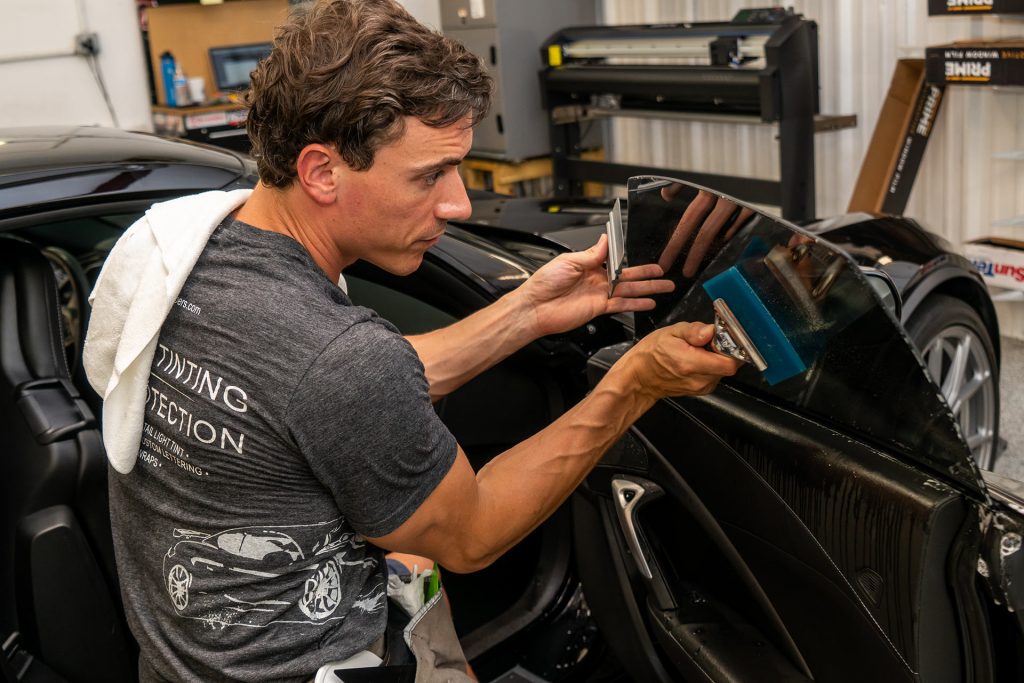
Professional full-vehicle tinting typically costs:
Local insight: In Charlotte, pricing often increases during peak summer months (May to August) due to demand. Booking in spring or fall can save money and reduce wait times.
Most professional quotes cover all side and rear windows but exclude the full front windshield, a common source of confusion when comparing shop estimates. High-quality window films can block up to 99% of UV rays, according to data from leading manufacturers. Installation runs one to four hours, which affects both scheduling and labor cost.
Three variables account for most of the price differences you’ll see between quotes: the film type you choose, the size and complexity of your vehicle, and whether existing tint needs to be removed first. Understanding each one helps you evaluate quotes accurately and avoid unexpected charges.
Different film types deliver very different performance levels. Your best choice depends on how much heat rejection you need and whether signal interference is a concern for your vehicle’s electronics.
| Film Type | Full Vehicle Price Range | Key Benefits | Tradeoffs |
|---|---|---|---|
| Dyed Window Film | $100 to $300 | Affordable, improved privacy | Less heat rejection, can fade over time |
| Carbon Window Film | $200 to $500 | Better heat rejection and durability | Higher upfront cost than dyed |
| Metalized Window Film | $200 to $400 | Good heat rejection, durable | May interfere with GPS, cell signal, and radio |
| Ceramic Window Film | $350 to $800 (sedans) $1,100+ (larger vehicles) | Top heat rejection, no signal interference | Premium price point |
Ceramic and carbon films are among the most effective at blocking infrared (IR) heat, with top-tier ceramic options blocking up to 97% of IR radiation based on manufacturer performance data. If you live in Charlotte, where summers are hot and humid, upgrading to ceramic tint can significantly improve interior comfort and reduce air conditioning usage.
Partial jobs let you control coverage and cost. This is a smart option if you’re primarily concerned about driver privacy on the front windows or want to reduce glare without tinting the entire vehicle.
| Service | Typical Price Range | Notes |
|---|---|---|
| Per window (average) | $50 to $130 | Most shops estimate the per-window price at roughly half the front-two-window rate |
| Front two side windows | $100 to $260 | Most common partial service |
| Windshield eyebrow strip | $49 to $200 | Top section of windshield only |
| Sunroof tinting | $50 to $159 | Price varies by glass size and curvature |
For budget-conscious drivers, tinting just the front two windows is often the most cost-effective starting point. It’s also worth noting that front window tint is subject to the strictest VLT requirements in North Carolina, so confirm your chosen shade is street-legal before committing.
More glass means more film and more labor. But shape matters as much as size.
If you drive an EV or a vehicle with advanced driver-assistance systems (ADAS), ask your installer specifically about camera and sensor placement near the windows. Improperly applied tint near ADAS sensors can affect their calibration.
Old, bubbling, or purple-tinted film isn’t just an aesthetic issue; it adds real time and cost.
If your car already has old tint, expect to pay an additional $25 to $150 for removal before new film can be installed.
The brand of the film and the shop’s reputation both affect long-term satisfaction, not just upfront cost. Premium-grade window films typically cost more due to better heat rejection, durability, and warranty coverage, while mid-range options balance performance and affordability.
Installer certification matters as much as the film brand. A poorly installed premium film will underperform a correctly installed mid-range film. Ask whether the installer is a certified dealer for the brand they’re selling; this determines whether manufacturer warranties can be registered and honored.
Before you pay, ask:
Lifetime warranties against bubbling and peeling are available from reputable shops, but read the terms carefully. Some “lifetime” warranties are tied to vehicle ownership, not the film itself, meaning they don’t transfer if you sell the car.
Most full-vehicle tint jobs take one to four hours for a standard sedan. Larger vehicles or jobs requiring tint removal can extend to a full day.
A professional installation should include:
Windows typically need three to seven days before you roll them down after installation. During this curing window, you may notice small water pockets or a hazy appearance; this is normal and resolves as the film fully adheres. In Charlotte’s humid climate, allowing the full seven days improves long-term adhesion outcomes.
DIY kits cost significantly less upfront, but those savings can disappear if the installation goes wrong.
When DIY makes sense:
When to hire a professional:
One common DIY failure point is contamination during installation. Even a single dust particle or fingerprint trapped under the film creates a permanent bubble that requires full removal and reinstallation, often costing more than professional installation would have in the first place.
For most drivers in Charlotte, professional installation is the better long-term investment due to the region’s heat and humidity, which can make DIY installation more challenging.
In North Carolina, tint laws directly determine how dark your window tint can be, meaning they define the maximum tint percentage you’re allowed to choose.
Visible Light Transmission (VLT) measures how much light passes through tinted glass. Lower VLT percentages mean a darker tint, while higher percentages allow more visibility and are more likely to be legal. For example, 5% (limo tint) is very dark, while 50% is nearly clear.
North Carolina tint laws, as outlined in NC General Statutes § 20-127, specify the following:
What this means for choosing your tint percentage:
What this means for choosing your tint percentage:
Medical exemptions exist in North Carolina for drivers with documented photosensitivity or other qualifying conditions. If you believe you may qualify, ask your installer about the exemption process before booking. A reputable installer will document the VLT percentage applied to every window and provide that record for your files, which is useful if you’re ever pulled over.
Vague requests (“just a basic tint”) often result in quotes that change once the shop sees your vehicle. Provide these details in every quote request:
For Charlotte drivers, local benchmarks show sedans typically ranging from $150 to $600 and premium ceramic jobs exceeding $1,100 for larger vehicles. Sun Stoppers Window Tinting Charlotte offers both photo-based and onsite estimates, a practical option for getting a real number without committing to an appointment.
Understanding how much to tint car windows is only half the equation; choosing the right shop to do the job is what truly makes the difference. If you’re comparing quotes or unsure which tint is right for your vehicle, getting a clear, no-pressure estimate can save you both time and money.
At Sun Stoppers Window Tinting in Charlotte, we bring years of hands-on expertise, premium-grade window film, and a commitment to quality that shows in every installation we complete. Contact us today to schedule your appointment and experience the Sun Stoppers standard firsthand.
In Charlotte, NC, the average cost to tint car windows typically ranges from $150 to $600 for standard vehicles, depending on the film type and vehicle size. Premium ceramic tint usually costs between $350 and $800 for sedans and can exceed $1,100 for larger vehicles or full-coverage installations.
Tinting the front two windows typically costs between $100 and $260, depending on the film type and installer.
The main factors include the type of film (dyed, carbon, ceramic), vehicle size, window complexity, and whether old tint needs to be removed. These variables account for most price differences between quotes.
Dyed window film is the most affordable option, usually costing between $100 and $300 for a full vehicle, but it offers less heat rejection and durability than higher-end films.
Yes, ceramic tint is worth the higher cost for many drivers because it provides superior heat rejection, blocks up to 99% of UV rays, and does not interfere with electronic signals.
With professional installation, dyed films typically last 3 to 5 years before showing signs of fading or peeling. Carbon and ceramic films can last 10 years or more. Film longevity depends heavily on installation quality, UV exposure, and whether the vehicle is regularly parked outdoors, a common situation in Charlotte’s sunny climate.
Quality tint installed within legal VLT limits generally has a neutral-to-positive effect on resale value, as it protects the interior from UV damage and fading. Illegal or improperly installed tint, however, can require removal before sale, adding cost and potentially signaling deferred maintenance to buyers.