
Call today! 704-536-6667
Ceramic coating has become one of the most sought-after paint protection solutions for car owners who want long-lasting defense against environmental damage and a deep, mirror-like finish. But before investing, there’s one question every vehicle owner asks: how much does ceramic coating cost?
In this guide, Sun Stoppers Window Tinting in Charlotte breaks down real-world pricing, what’s actually included in the cost, how ceramic coating compares to other protection options, and whether it’s the right investment for your vehicle, based on real installer experience across hundreds of applications.
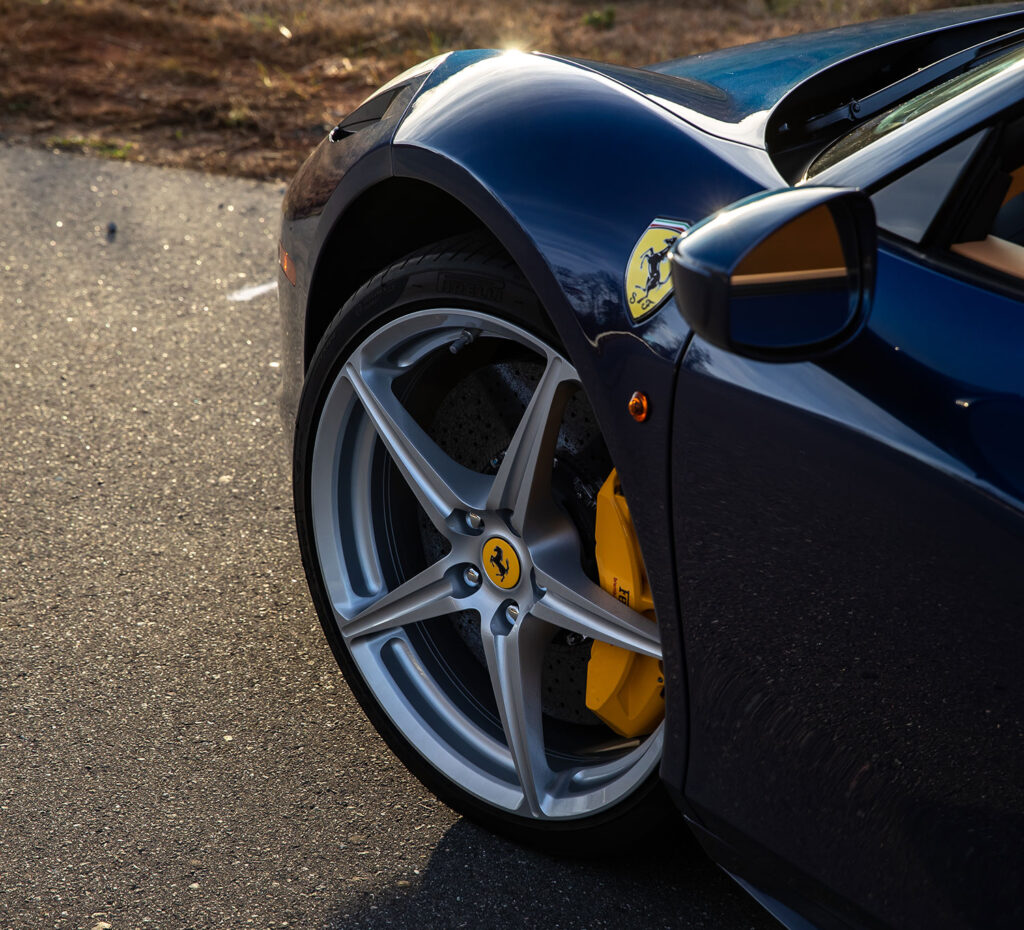
The average cost of professional ceramic coating ranges from $500 to $2,500+, depending on the service tier, vehicle condition, and coating product used.
| Service Tier | Price Range | Typical Durability |
|---|---|---|
| Entry-level professional coating | $500 to $1,000 | 1 to 2 years |
| Mid-range professional coating | $1,000 to $1,500 | 3 to 5 years |
| Premium long-term coating | $1,500 to $2,500+ | 5+ years |
| DIY ceramic coating kits | $50 to $200 | 6 to 18 months |
Why such a wide range? The price difference comes down to coating chemistry (SiO₂ concentration), number of layers applied, paint correction requirements, and the installer’s certification level.
| Vehicle Type | Estimated Cost Range |
|---|---|
| Compact cars (e.g., sedans, hatchbacks) | $500 to $900 |
| Mid-size sedans & crossovers | $800 to $1,200 |
| Full-size SUVs & trucks | $1,200 to $2,000 |
| Luxury & exotic vehicles | $2,000 to $4,000+ |
Luxury and exotic vehicles cost more not only because of their size, but also due to the more delicate paint systems, tighter panel tolerances, and the higher-grade coatings required to match manufacturer finish standards.
Understanding these cost drivers helps you evaluate quotes accurately and avoid overpaying or underpaying for a subpar result.
Larger vehicles require more product volume and more labor hours. A compact car with roughly 40 to 50 square feet of paintable surface is significantly faster to coat than a full-size pickup truck or large SUV with 70 to 90+ square feet. More surface area means more material cost and more application time.
Before applying ceramic coating, the paint often needs correction:
Paint correction alone can add $200 to $1,000+ to the total cost. Skipping this step is a critical mistake; ceramic coating is semi-permanent and will lock in any existing defects, making them more visible under certain lighting conditions.
Professional installers typically spend 60 to 70% of total job time on surface preparation before a single drop of coating is applied.
Not all ceramic coatings are chemically equivalent. Key differentiators include:
Entry-level products may last 1 to 2 years. Premium professional-grade coatings, including industry-recognized options like XPEL FUSION PLUS, can deliver protection for 4+ years under proper maintenance conditions.
| Factor | Professional | DIY |
|---|---|---|
| Surface prep | Full decontamination + correction | Limited |
| Application environment | Climate-controlled | Uncontrolled |
| Curing conditions | Monitored | Variable |
| Coating grade | Professional-only formulas | Consumer-grade |
| Durability | 3 to 5 years | 6 to 18 months |
| Warranty | Manufacturer-backed | None |
DIY kits are accessible, but the gap in real-world performance is significant. Consumer-grade coatings use lower SiO₂ concentrations and simpler polymer chains that don’t bond as deeply with the clear coat.
Some shops offer single-layer applications at lower price points, while others apply two or more layers for added depth and durability. Multi-layer packages are usually priced $300 to $600 higher but offer noticeably better hydrophobic performance.
Many professional coatings come with warranties, which can also influence how much does ceramic coating cost. Longer warranties usually mean higher upfront costs but greater peace of mind. Look for shops that offer manufacturer-backed warranties, not just in-house guarantees.
Not sure whether ceramic coating is right for you? Here’s a quick comparison:
| Option | Cost | Durability | Best For |
|---|---|---|---|
| Car wax | $10 to $50 DIY | 1 to 3 months | Budget protection |
| Paint sealant | $50 to $150 | 6 to 12 months | Short-term gloss |
| Ceramic coating (DIY) | $50 to $200 | 6 to 18 months | DIY enthusiasts |
| Ceramic coating (pro) | $500 to $2,500+ | 3 to 5 years | Long-term value |
| Paint protection film (PPF) | $2,000 to $7,000+ | 7 to 10 years | Impact & scratch resistance |
Key Insight: Ceramic coating occupies the optimal balance of cost and longevity for most daily drivers. For vehicles in high-risk environments (gravel roads, parking garage exposure, high-UV climates), combining PPF on high-impact zones with ceramic coating on full paint is the most comprehensive solution available.
For most vehicle owners who plan to keep their car for 3+ years, yes.
Ceramic coating offers:
While the upfront cost may seem high, it can reduce the need for frequent waxing and help preserve your vehicle’s resale value. A well-maintained ceramic-coated vehicle can retain higher resale value compared to unprotected paint, especially in markets where cosmetic condition matters.
Choosing a ceramic coating installer is more important than choosing the lowest price. Consider:
If you’re in the Charlotte area and ready to upgrade your car’s protection and shine, it’s worth working with professionals who know how to do it right.
Contact us to book your ceramic coating service today with Sun Stoppers Window Tinting in Charlotte and give your vehicle the long-lasting protection it deserves.
Professional ceramic coating typically costs between $500 and $2,500+, depending on vehicle size, paint condition, number of layers, and the grade of coating used. Luxury and exotic vehicles can exceed $4,000 due to more complex preparation requirements.
The cost reflects professional-grade coating materials (high SiO₂ concentration), climate-controlled application conditions, extensive paint preparation and correction labor, and manufacturer certification requirements for the installer. Shortcuts in any of these areas directly compromise the result.
DIY kits work as a short-term solution (6 to 18 months) for owners on a budget, but they use lower-grade formulas that don’t bond as deeply with the clear coat. The lack of professional paint correction before application is also a major limiting factor.
Most professional ceramic coatings last between 2 and 5 years, with some premium options lasting even longer when properly maintained.
Yes. A properly applied ceramic coating eliminates the need for regular waxing. The semi-permanent SiO₂ layer provides superior hydrophobic performance and gloss compared to carnauba wax, without requiring reapplication every 1 to 3 months.
Yes, and this is actually a recommended combination. Ceramic coating applied over PPF enhances the film’s hydrophobic properties and makes maintenance easier, while PPF handles physical impact protection that ceramic coating alone cannot provide.
Ceramic-coated vehicles should be washed with pH-neutral car shampoo, avoiding automated car washes with abrasive brushes. Most professional coatings also benefit from an annual ceramic booster spray to maintain hydrophobic performance and extend coating lifespan.