Call today! 704-536-6667
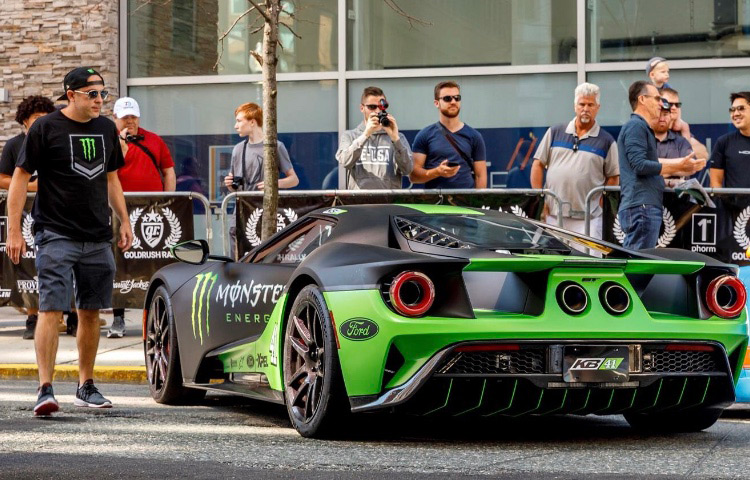
Ceramic coating is a nano-scale liquid polymer composed primarily of silicon dioxide (SiO₂), sometimes enhanced with titanium dioxide (TiO₂), that chemically bonds with the automotive clear coat to form a semi-permanent protective layer.
Once cured, it resists UV radiation, environmental chemicals, and bonded surface contaminants for 2 to 10 years, depending on product grade, SiO₂ concentration, and maintenance.
Unlike wax or paint sealants, which sit on top of the surface, the coating forms a cross-linked molecular structure that integrates with the clear coat itself.
The core chemistry:
Ceramic coating bonds chemically with the clear coat by forming covalent and hydrogen bonds at the microscopic level, creating a rigid, cross-linked structure that seals surface pores.
After curing (24 to 48 hours initial cure, up to 7 days full cure), the coating:
Ceramic coating provides several key advantages for protecting and maintaining your vehicle’s paint:
Charlotte averages approximately 213 sunny days per year, significantly above the national average. Prolonged UV exposure breaks down paint pigment and oxidizes clear coat, causing the chalky, faded appearance common on older vehicles. Ceramic coating reflects UV radiation at the surface, preserving color depth and preventing oxidation from developing beneath.
Bird droppings, tree sap, industrial fallout, and road residue are all chemically active; they etch into unprotected clear coat within hours at high temperatures. The ceramic layer acts as a sacrificial chemical barrier, absorbing that etching damage rather than allowing it to reach the paint.
Water, and the contaminants it carries, beads and rolls off a ceramic-coated surface rather than sitting on it. This reduces water spotting, mineral deposit buildup, and the bonded contamination that requires mechanical removal (clay bar) during decontamination.
Ceramic coating fills micro-surface irregularities and creates a uniform reflective layer. The result is enhanced light reflection and a deeper, more consistent gloss that maintains its appearance for years rather than weeks.
When factored over a 3 to 5 year period, ceramic coating typically costs less in total maintenance than repeated wax applications, paint correction sessions required to address contamination damage, and time spent on manual washing. This makes it a cost-efficient choice for daily drivers.
Understanding the limitations of ceramic coating is as important as understanding its benefits. Misaligned expectations are the primary source of customer dissatisfaction after coating application.
Ceramic coating significantly reduces washing frequency and effort, but it does not make your car self-cleaning. Bonded contamination, tar, iron fallout, and industrial overspray still accumulate and require periodic decontamination. Using incorrect washing methods, abrasive tools, or alkaline detergents will degrade the coating chemistry and shorten its lifespan.
This is the most important limitation to understand. Ceramic coating adds surface hardness and minor scratch resistance, but it is not a physical impact barrier. It will not stop damage from:
For impact and abrasion protection, Paint Protection Film (PPF) is the correct solution. Many vehicle owners apply PPF to high-impact areas (hood, front bumper, mirrors) and ceramic coating over the full vehicle for a combined protection system.
Ceramic coating locks in whatever surface condition exists at the time of application. Swirl marks, light scratches, water spot etching, and oxidation must be corrected through paint polishing or paint correction before the coating is applied. Coating over defects seals them permanently.
Most professional-grade ceramic coatings last between 2 and 5 years under real-world conditions. Consumer-grade coatings sold as DIY products typically last 1 to 2 years under the same conditions.
General durability ranges by product tier:
| Product Tier | Typical Lifespan | Application |
|---|---|---|
| Consumer / DIY | 1 to 2 years | Self-applied |
| Professional entry-level | 2 to 3 years | Shop-applied |
| Professional mid-grade | 3 to 5 years | Shop-applied with paint correction |
| Professional top-grade | 5+ years | Multi-layer, full paint correction required |
In real-world conditions around Charlotte, daily drivers exposed to outdoor parking, seasonal pollen, and high UV load typically see coatings perform at 3 to 4 years with proper maintenance washing.
Professional installation makes a measurable difference in longevity because proper paint correction and surface decontamination before application are critical for the coating to bond correctly and uniformly.
Several factors determine whether your coating reaches the lower or upper end of its rated lifespan:
| Feature | Ceramic Coating | Car Wax | PPF |
|---|---|---|---|
| Protection Type | Chemical bond | Surface layer | Physical film |
| Durability | 2 to 5 years | 1 to 3 months | 5 to 10 years |
| Main Purpose | UV & contaminant protection | Short-term shine | Impact protection |
| Water Repellency | Strong | Moderate | Moderate |
| Scratch Resistance | Light | Minimal | High |
| Rock Chip Protection | None | None | Yes |
| Self-Healing | No | No | Yes (modern PPF) |
| Maintenance | Low | High | Moderate |
| Cost Range | Mid | Low | High |
The most effective protection system combines both: PPF on high-impact zones (hood leading edge, front bumper, mirrors, door edges) and ceramic coating applied over the full vehicle, including over the PPF, for hydrophobic performance and UV resistance across all surfaces.
The coating begins to degrade the moment these mistakes occur:
Ceramic coating is the right investment for:
Ceramic coating is less suitable for:
Correct maintenance is what separates a 2-year coating from a 5-year coating:
If you want long-term protection, consistent shine, and less time spent cleaning your car, ceramic coating is one of the best upgrades you can make.
At Sun Stoppers Window Tinting in Charlotte, every coating service includes proper surface preparation, paint correction if needed, and precise application to ensure maximum durability.
Contact us today to schedule your ceramic coating in Charlotte, NC, and give your vehicle the protection it deserves.
Pricing depends on vehicle size, paint condition, and the level of preparation required before application. Entry-level professional coatings start lower; multi-layer systems on larger vehicles reach the higher end.
Yes, for most vehicle owners who park outdoors, drive daily, and plan to keep their car for 3+ years. The combination of reduced maintenance effort, preserved paint condition, and long-term gloss retention makes the cost-per-year calculation favorable compared to repeated waxing and paint correction.
You should avoid washing for at least 7 days after application to allow full curing. After that, hand washing with pH-neutral soap is recommended. Touchless car washes are acceptable. Brush-based automatic washes should be avoided entirely.
Yes. Once ceramic coating is applied and cured, waxing is unnecessary and counterproductive. Wax cannot bond to a ceramic surface and will cause smearing rather than adding protection.
Professional installation typically takes one to two days, depending on vehicle size, paint condition, and whether paint correction is required beforehand. Vehicles with significant swirl marks or contamination requiring full correction may take longer.
Yes, and this is one of the most effective combined protection strategies available. Ceramic coating applied over PPF adds hydrophobic performance, UV resistance, and gloss enhancement to the film surface, while the PPF handles physical impact protection underneath.
Common signs include water no longer beading on the surface, increased difficulty removing contamination during washing, visible dullness compared to the original finish, and surface texture that feels rougher on the bag test. Annual professional inspection allows early detection of coating degradation before it reaches the paint layer.