Call today! 704-536-6667
Looking for solar shades for windows in Charlotte, NC? Solar shades are roller-style window coverings made from woven mesh fabric that reduce glare, block a high percentage of UV rays depending on fabric and openness factor, and help lower indoor heat gain, while preserving your outdoor view.
Sun Stoppers Window Tinting in Charlotte installs interior and exterior solar shades for homes and offices across Charlotte, including Ballantyne, SouthPark, Matthews, and Mint Hill. This guide covers how solar shades work, which openness factor fits your room, how they compare to window tint, and what to expect for cost and energy savings.
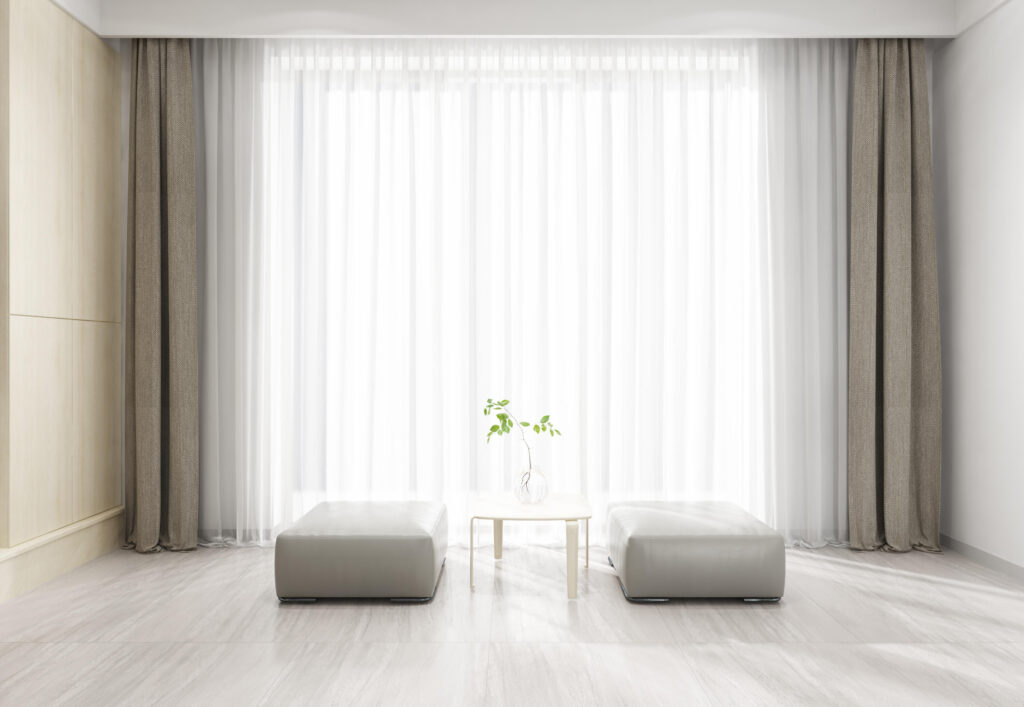
Solar shades are roller-style window coverings made from woven mesh fabric. The mesh allows filtered light into the room while blocking infrared heat, helping reduce UV exposure and glare. Unlike blackout shades, solar shades maintain a connection to the outdoors, so you can see through them during the daytime without losing privacy or comfort.
They are commonly installed in living rooms, home offices, sunrooms, and commercial spaces where large windows create heat and glare problems. In Charlotte, NC, where summer highs often approach or exceed 90°F, solar shades are one of the most practical upgrades for south- and west-facing windows.
Solar shades work through a woven fabric structure with tiny openings, called the openness factor. The openness factor controls how much light, heat, and UV radiation passes through the fabric.
| Openness Factor | Light Control | Privacy | Best For |
|---|---|---|---|
| 1% | Maximum blocking | High | Bedrooms, high-glare rooms |
| 3% | Strong blocking | Medium-High | Home offices, west-facing windows |
| 5% | Balanced | Medium | Living rooms, dining rooms |
| 10% | Light filtering | Low | Views, low-glare environments |
A 3% solar shade can block a substantial amount of direct sunlight, depending on fabric, color, and openness factor, making it the most popular choice for home offices and rooms with afternoon sun exposure in Charlotte.
Solar shades reduce solar heat gain through glass before it warms your interior. On south- and west-facing windows, this directly lowers AC load and reduces cooling costs.
High-performance solar shade fabrics block up to 99% of UV radiation. This protects:
Solar shades reduce direct glare on TVs, computer monitors, and mobile devices without darkening the room. This makes them the preferred choice for home offices, media rooms, and open-plan living spaces where screen visibility matters.
Unlike blackout shades, solar shades maintain your outdoor view during daylight hours. You get privacy from the outside while retaining natural light and a visual connection to the garden, street, or skyline.
By reducing UV and infrared exposure simultaneously, solar shades extend the lifespan of your interior furnishings: floors, fabrics, leather, and painted surfaces all benefit from reduced sun exposure over time.
Exterior solar shades are installed outside the window frame, where they block sunlight before it reaches the glass. This prevents heat from building up and entering your home.
Interior solar shades are installed inside the window frame. They are easier to install, simpler to clean, and offer more design flexibility for matching interior décor.
| Factor | Exterior Shades | Interior Shades |
|---|---|---|
| Heat reduction | 60 to 90% | Moderate |
| Installation | More complex | Simple |
| Maintenance | Seasonal inspection | Easy cleaning |
| Aesthetics | Limited options | Wide range |
| Best for | Heat control, Charlotte summers | Comfort, style, flexibility |
Recommendation: For maximum heat reduction on Charlotte’s south- and west-facing windows, exterior solar shades deliver significantly better performance. For rooms where aesthetics and ease of use matter more than peak heat control, interior shades are the practical choice.
| Room | Recommended Openness | Reason |
|---|---|---|
| Home office | 3% | Strong glare reduction on screens |
| Living room | 5 to 10% | Balance of light, view, and comfort |
| Bedroom | 1 to 3% | More privacy and light control |
| West-facing windows | 3% | Blocks intense afternoon sun |
| South-facing windows | 3 to 5%, light color | Heat reflection and glare control |
| Sunroom | 5 to 10% | Maintain light while reducing heat |
| Commercial office | 3 to 5% | Screen visibility and energy efficiency |
Color matters too: Light-colored fabrics reflect more heat than dark fabrics at the same openness factor. For Charlotte’s hot summers, light gray or white fabrics on exterior-facing shades improve heat rejection performance.
| Feature | Solar Shades | Blackout Shades | Cellular Shades |
|---|---|---|---|
| Light control | Filtered light | Total darkness | Moderate |
| UV blocking | Up to 99% | 100% | High |
| Outdoor view | Yes | No | Limited |
| Heat insulation | Low to Moderate | Medium | High |
| Energy efficiency | Good | Moderate | Excellent |
| Best use | Offices, living rooms | Bedrooms, nurseries | Year-round energy saving |
| Nighttime privacy | Limited | Full | Full |
If you’re comparing similar styles, see the full breakdown of solar shades vs. roller shades to understand differences in light filtering, privacy, and heat control.
Both solar shades and window tint reduce heat, UV exposure, and glare, but they work differently and serve different needs.
| Feature | Solar Shades | Window Tint |
|---|---|---|
| Removable | Yes | No |
| Adjustable | Yes, raise or lower | Fixed |
| Heat rejection | Good, blocks before glass | Excellent, film on glass |
| UV blocking | Up to 99% | Up to 99.9% |
| View control | Adjustable by position | Fixed VLT |
| Installation | Interior or exterior | Professional, permanent |
| Nighttime privacy | Limited | Fixed tint level |
| Best for | Flexible light control | Permanent heat and UV protection |
Which is right for you?
Many Charlotte homeowners use both: window tint as a permanent base layer for UV and heat protection, and solar shades for adjustable glare and light control on top. Sun Stoppers installs both services and can help you determine the right combination for your specific windows and exposure.
| Type | Price Range |
|---|---|
| Manual interior solar shades | $60 to $380 |
| Motorized interior shades | $160 to $520 |
| Exterior solar screens | $40 to $200 (DIY) |
| Professional exterior installation | $150 to $400+ |
Motorized solar shades offer automated control of light, heat, and privacy throughout the day without manual adjustment.
Automated shades can be programmed to lower during the hottest part of the day, typically between 12 p.m. and 4 p.m. on south- and west-facing windows in Charlotte, and raise again in the evening. This reduces AC load during peak cooling hours without requiring any manual intervention.
Accurate measurement is critical for a proper fit. If you’re unsure where to start, follow this step-by-step guide on how to measure for blinds to avoid gaps and sizing errors.
Pro tip: Professional measurement eliminates fit errors that reduce shade performance. Sun Stoppers provides free measurements for solar shade installations across Charlotte, Ballantyne, Matthews, and Mint Hill.
Well-maintained solar shades typically last 10 to 15 years for interior installations. Exterior shades may require hardware inspection and fabric replacement sooner due to weather exposure.
| Task | Frequency |
|---|---|
| Dust or vacuum the fabric | Monthly |
| Spot clean with mild soap | As needed |
| Inspect hardware and brackets | Every 6 months |
| Check exterior mounting and tension | Seasonally |
| Full fabric inspection | Annually |
Avoid harsh chemicals or abrasive cleaning; they degrade the mesh fabric and reduce UV blocking performance over time.
Charlotte’s climate creates specific challenges for window treatments. Summer highs often approach or exceed 90°F during peak months, with significant afternoon sun on west- and south-facing windows. The combination of heat, humidity, and intense UV exposure accelerates interior fading and increases cooling costs throughout the season.
The best time to install solar shades in Charlotte is before peak summer, March through May, so you have full heat and UV protection in place before June and July when cooling costs spike. That said, professional installation is available year-round.
Reduce heat, glare, and UV exposure with custom solar shades in Charlotte, NC. Sun Stoppers Window Tinting in Charlotte provides professional measurement and installation tailored to your window size and sun exposure.
Not sure which option fits your needs? Tell us your window details and main goal: heat reduction, glare control, or UV protection, and we’ll recommend the right solution.
Get your free quote today and upgrade your windows with high-performance shades.
Yes. High-quality solar shade fabrics block up to 99% of UV radiation. This protects floors, furniture, and fabrics from fading and UV degradation over time.
Yes. Solar shades reduce solar heat gain through glass, which lowers AC load and cooling costs. Most homeowners see cooling cost reductions of 5 to 20%, depending on window exposure, fabric choice, and climate.
During the day, solar shades provide privacy from the outside while maintaining your view. At night, the effect reverses; interior lighting makes it easier for people outside to see in. Pairing solar shades with curtains or a privacy liner solves this for rooms where nighttime privacy is important.
For home offices and west-facing windows with strong afternoon glare, 3% is the most effective choice. For living rooms where you want more natural light and a clearer view, 5 to 10% works well. For maximum privacy and UV blocking, 1% provides the highest performance.
Yes. Exterior solar shades reduce heat gain by 60 to 90% before sunlight reaches the glass. Interior shades provide moderate heat reduction. Both options lower indoor temperatures and AC runtime compared to untreated windows.
Motorized solar shades typically range from $160 to $520 per window, depending on the system, fabric, and installation complexity. Motorized options allow scheduling and smart home integration, which can improve energy efficiency by automating shade position during peak sun hours.
Interior solar shades typically last 10 to 15 years with regular maintenance. Exterior shades may require hardware inspection and fabric replacement sooner due to weather exposure. Monthly dusting and periodic hardware checks extend the lifespan significantly.
Solar shades are adjustable and removable; you can raise or lower them throughout the day. Window tint is a permanent film applied directly to the glass. Both reduce heat and UV exposure, but tint requires no daily adjustment while shades offer more flexibility. Many homeowners use both together for layered protection.
Exterior shades significantly reduce heat (60 to 90%) by blocking sunlight before it hits the glass, offering superior heat control. Interior shades are easier to install, maintain, and offer more design options. For Charlotte’s intense summer heat, exterior shades on south- and west-facing windows are best.