Call today! 704-536-6667
Choosing between solar shades and roller shades? Solar shades and roller shades solve different problems: solar shades preserve your view while reducing glare, while roller shades block light and provide privacy. The right choice depends on your window exposure, privacy needs, and how you use each room.
This guide breaks down how solar shades and roller shades work, where each option performs best, how they compare in energy efficiency and cost, and how to choose the right solution for your home.
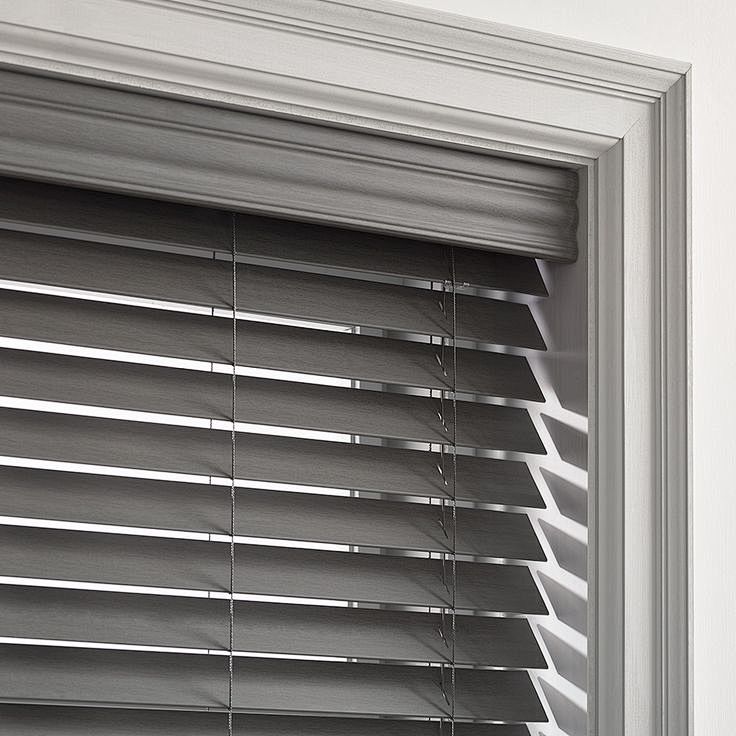
The main difference between solar shades and roller shades is the fabric and how it controls light. Solar shades use mesh to filter sunlight and maintain your view, while roller shades use solid fabric to block light and provide privacy.
| Feature | Solar Shades | Roller Shades | Blinds |
|---|---|---|---|
| Material | Woven mesh fabric | Fabric (polyester, cotton, linen) | Wood, faux wood, aluminum |
| Light Control | Filtered | Full range to blackout | Adjustable slats |
| Privacy | Daytime only | Full privacy | Adjustable, but has gaps |
| View | Preserved | Blocked | Partial |
| UV Protection | Up to 99% | Varies by fabric (often moderate to high) | Low–moderate |
| Heat Reduction | Up to 60 to 90% (exterior) | Low–moderate | Low |
| Design Flexibility | Limited | High | Moderate |
| Price Range | $150 to $400 | $60 to $250 | $50 to $600 |
Choose solar shades if:
Choose roller shades if:
Best solution for most homes:
Roller shades come in multiple opacity levels, each designed for different lighting and privacy needs:
This range gives roller shades significantly more flexibility than solar shades.
Roller shades provide the widest design flexibility across materials, colors, and textures.
Design flexibility includes:
Unlike solar shades, roller shades prioritize aesthetics as much as function.
Openness factor is the key specification for solar shades. It refers to the percentage of the fabric that is open, controlling how much light and UV radiation passes through.
| Openness Factor | Light Level | Outdoor View | UV Protection | Best For |
|---|---|---|---|---|
| 1% | Very low | Limited | Maximum | High-glare rooms, strong privacy |
| 3% | Balanced | Moderate | High | Living rooms, home offices |
| 5% | Moderate | Good | High | Living rooms, sunrooms |
| 10-14% | High | Clear | Lower | Rooms where view matters most |
For Charlotte homes with strong sun exposure, 3 to 5% openness is the most practical range. A 3% solar shade blocks a high percentage of direct sunlight, depending on fabric and color, while maintaining a filtered view, making it the most popular choice for home offices and rooms with afternoon glare.
Color also matters. Light-colored fabrics reflect more heat than dark fabrics at the same openness factor. For exterior-facing installations in Charlotte’s summers, light gray or white fabrics improve heat rejection performance.
Solar shades provide daytime privacy because the exterior is brighter than the interior, making it difficult for people outside to see in. This reverses at night. When interior lights are on after dark, solar shades provide little to no privacy from the outside.
| Time | Solar Shades | Roller Shades |
|---|---|---|
| Daytime | Good privacy | Full privacy |
| Nighttime | No privacy | Full privacy |
| Blackout option | No | Yes |
Roller shades provide consistent privacy day and night, regardless of light conditions. Room-darkening and blackout fabrics eliminate visibility from the outside completely. Light-filtering roller shades provide partial privacy during the day and stronger privacy at night compared to solar shades.
For living rooms, home offices, and sunrooms where daytime comfort is the priority, solar shades work well. For bedrooms, bathrooms, street-facing windows, and any room where nighttime privacy matters, roller shades are the appropriate choice. Many Charlotte homeowners pair both: solar shades on large windows for daytime glare control, roller shades in rooms requiring full privacy.
| Room | Recommended Shade | Reason |
|---|---|---|
| Bedroom | Blackout roller shade | Sleep quality and full privacy day and night |
| Living room | Solar shade (3 to 5%) | Glare reduction while maintaining the outdoor view |
| Home office | Solar shade (3%) | Screen glare reduction without darkening the room |
| TV or media room | Solar shade (1 to 3%) | Reduce glare on screens during daytime viewing |
| Kitchen | Light-filtering roller shade | Soft natural light with aesthetic flexibility |
| Bathroom | Room-darkening roller shade | Privacy and light control |
| North-facing windows | Light-filtering roller shade | Soft diffused light without heat concerns |
| West-facing windows | Solar shade (3%), exterior if possible | Block intense afternoon sun before it hits the glass |
| Sunroom | Solar shade (5 to 10%) | Maintain light and view while reducing heat |
Charlotte’s climate creates strong sunlight exposure, especially on south- and west-facing windows. Summer temperatures regularly exceed 90°F, increasing indoor heat gain through glass. This makes glare reduction and light control a primary concern for many homes.
On south- and west-facing windows during peak summer hours, solar shades are the practical choice for living rooms, sunrooms, and home offices that face afternoon sun. Exterior solar shades perform even better, blocking sunlight before it contacts the glass.
For Charlotte homes with large west-facing windows, exterior solar shades on those specific windows can deliver meaningful reductions in peak cooling demand.
Roller shades with thicker fabrics provide better insulation than standard solar shade mesh. For north-facing windows or rooms where heat gain is less of a concern, a quality roller shade delivers better privacy and more design flexibility without sacrificing much on energy performance.
For winter months in Charlotte, where temperatures drop significantly from November through February, roller shades with insulating fabrics help retain indoor heat better than open-mesh solar shades.
| Window Orientation | Season | Best Choice |
|---|---|---|
| South-facing | Summer | Solar shade (3-5%) |
| West-facing | Summer | Solar shade (3%) or exterior |
| North-facing | Year-round | Light-filtering roller shade |
| East-facing | Year-round | Solar shade (3-5%) or light-filtering roller |
| Any orientation | Winter | Roller or cellular shade |
| Shade Type | Heat Gain Reduction | Insulation | UV Blocking | Best Season |
|---|---|---|---|---|
| Solar shades (exterior) | Up to 60-90% | Low | Up to 99% | Summer |
| Solar shades (interior) | Moderate | Low | Up to 99% | Summer |
| Roller shades (light-filtering) | Low | Low-Moderate | Moderate | Year-round |
| Roller shades (blackout) | Moderate | Moderate | High | Year-round |
| Cellular shades | Low-Moderate | High | High | Winter |
For Charlotte homeowners focused primarily on summer cooling costs, solar shades on south- and west-facing windows deliver the best return. For year-round energy performance, including winter insulation, cellular shades outperform both solar and roller options.
See our solar shades guide for a full breakdown of solar shade energy performance and openness factor recommendations.
| Type | Manual Price Range | Motorized Price Range |
|---|---|---|
| Basic roller shade | $40 to $120 | $140 to $620 |
| Light-filtering roller shade | $60 to $200 | $160 to $700 |
| Blackout roller shade | $60 to $250 | $160 to $750 |
| Solar shade (interior) | $80 to $300 | $180 to $800 |
| Solar shade (exterior) | $150 to $400+ | $250 to $900+ |
Solar shades cost more than standard roller shades due to the precision-woven mesh fabric and UV-blocking coating. Exterior solar shades are the most expensive option because installation is more complex and hardware must withstand weather exposure.
Motorized shades allow remote control via smartphone app, voice control through Alexa or Google Assistant, and scheduled automation, automatically lowering shades during peak sun hours. For south- and west-facing windows in Charlotte, automated shades can be programmed to lower between 12 p.m. and 4 p.m. during summer months, reducing AC load during peak cooling hours without manual adjustment.
Motorization adds $100 to $500 per window, depending on the motor system and integration requirements. For multi-window installations, motorized systems typically become more cost-effective per window as the number of shades increases.
Both solar shades and roller shades use the same roller mechanism and are installed using similar bracket systems.
| Mount Type | Description | Best For |
|---|---|---|
| Inside mount | Brackets secured inside the window frame | Clean look, precise fit |
| Outside mount | Brackets mounted on the wall or frame exterior | Uneven frames, larger coverage area |
Professional installation ensures correct fit, proper bracket placement, and manufacturer warranty validity. This is particularly important for motorized systems and exterior shade hardware.
See our blind and shade measurement guide for exact measurement steps before ordering.
| Task | Solar Shades | Roller Shades |
|---|---|---|
| Dusting | Monthly | Monthly |
| Vacuuming | Low setting, monthly | Low setting, monthly |
| Spot cleaning | Mild soap, as needed | Mild soap, as needed |
| Hardware inspection | Every 6 months | Every 6 months |
| Exterior hardware check | Seasonally | N/A |
Avoid ammonia-based cleaners and abrasive materials, as they can degrade fabric and coatings over time.
Well-maintained interior solar shades and roller shades typically last 7 to 15 years, depending on fabric quality, sun exposure, and usage frequency. Exterior solar shades may require fabric replacement sooner due to weather exposure, though hardware often outlasts the fabric.
| Feature | Solar Shades | Roller Shades | Cellular Shades | Blinds |
|---|---|---|---|---|
| Light control | Filtered, glare reduction | Filtered to blackout | Filtered to blackout | Adjustable slats |
| UV blocking | Up to 99% | Moderate to high | High | Low-Moderate |
| Outdoor view | Yes, daytime | No | No | Partial |
| Heat reduction | Good to excellent | Low-Moderate | Moderate | Low |
| Insulation | Low | Low-Moderate | Excellent | Low |
| Nighttime privacy | Limited | Full | Full | Adjustable |
| Best use | Glare and heat control | Privacy and room darkening | Year-round energy savings | Adjustable light control |
| Typical lifespan | 7 to 15 years | 7 to 15 years | 7 to 12 years | 7 to 10 years |
Ready to reduce glare, heat, and UV exposure in your Charlotte home? Sun Stoppers Window Tinting in Charlotte provides professional solar shade and roller shade measurement and installation for homes and offices across Charlotte, Ballantyne, SouthPark, Matthews, and Mint Hill.
Every installation includes free professional measurement, fabric, and openness factor guidance based on your window exposure, and a written quote before any work begins.
Before you call, have the following ready:
Request your free quote today and get the right shade for every window in your home.
It depends on your priority. Solar shades are better for glare reduction, heat control, and preserving outdoor views during the day. Roller shades are better for privacy, room darkening, and rooms where nighttime visibility is a concern. Many homeowners use both depending on the room.
No. Solar shades lose privacy after dark when interior lights are on. The visibility effect reverses, and people outside can see in. For rooms where nighttime privacy matters, roller shades or blackout liners are the appropriate choice.
For most Charlotte living rooms and home offices, 3% provides the best balance of glare reduction, UV blocking, and filtered view. Use 1% for maximum glare and heat control in high-sun rooms. Use 10% or higher when view preservation is the priority and glare is less of a concern.
Yes. Solar shades help reduce solar heat gain through glass, which lowers AC load and indoor temperatures near windows. Exterior solar shades are the most effective option, blocking sunlight before it reaches the glass.
Solar shades are not recommended as the primary shade for bedrooms. They do not provide nighttime privacy and do not block enough light for quality sleep. Blackout roller shades are the standard recommendation for bedrooms.
Both types typically last 7-15 years with regular maintenance. Exterior solar shades may require fabric replacement sooner due to weather exposure. Monthly dusting and periodic hardware checks extend the lifespan significantly.
Light-filtering roller shades soften light and offer moderate privacy with partial visibility. Blackout shades provide complete light blockage and privacy. Room-darkening shades reduce light significantly, without being a full blackout.
For single windows or rooms where you adjust shades infrequently, manual shades are cost-effective and reliable. For multiple windows, hard-to-reach locations, or west-facing windows in Charlotte summers, where automated scheduling saves energy, motorized shades are worth the investment.
Yes. Solar shades are often used on large south- or west-facing windows for daytime heat and glare control, while roller shades are better for bedrooms and bathrooms, prioritizing privacy and room darkening. Sun Stoppers can help you find the right combination.