Call today! 704-536-6667
Keeping your vehicle’s paint in top condition takes more than regular washing, especially with daily exposure to road debris, scratches, and environmental damage. That’s why many drivers turn to paint protection film (PPF) as a long-term solution. But before getting started, it’s important to understand how much does PPF costs and what you’re actually paying for.
In this guide, Sun Stoppers Window Tinting in Charlotte breaks down PPF pricing, typical cost ranges by coverage level, and the key factors that affect the final price, so you can choose the right level of protection for your vehicle and budget.
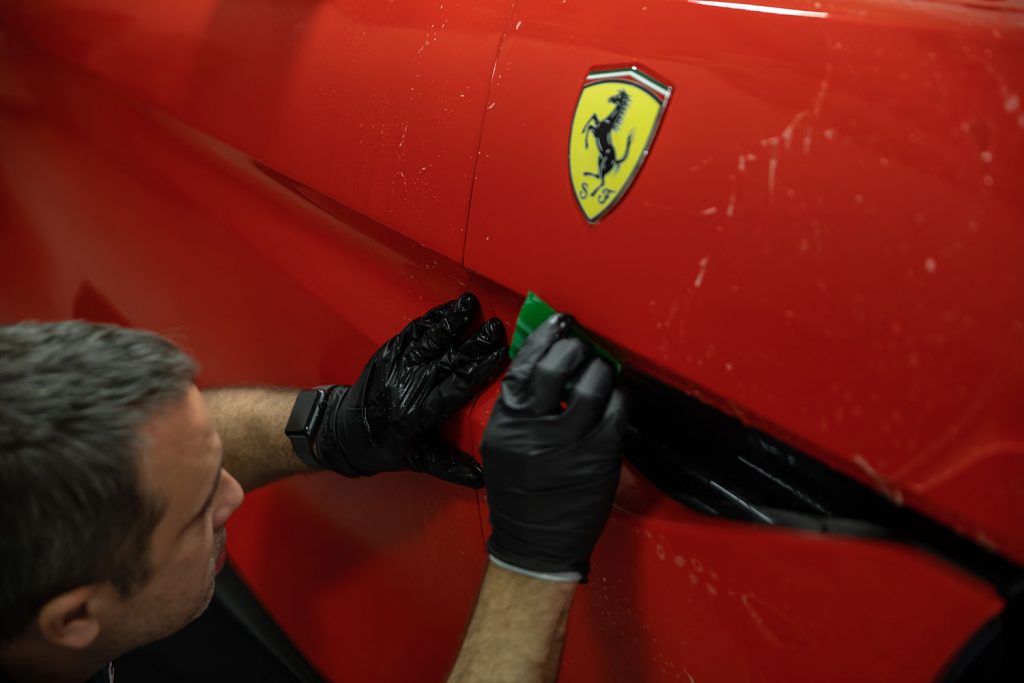
Paint Protection Film is a transparent, impact-resistant layer applied to your vehicle’s exterior surfaces. It helps protect against rock chips, scratches, road debris, and environmental damage, keeping your paint in excellent condition.
Most modern PPF products also feature self-healing technology, allowing light scratches to disappear when exposed to heat. Premium films like XPEL ULTIMATE PLUS include UV inhibitors that block 90% to 99% of UV radiation, preventing paint fading and oxidation in addition to physical protection.
The cost of PPF varies significantly depending on coverage, vehicle type, and installer quality. Here’s what most drivers can expect:
| Coverage Type | What’s Included | Estimated Cost |
|---|---|---|
| Partial Front | Bumper, partial hood, mirrors | $500 to $2,000 |
| Full Front | Bumper, full hood, fenders, mirrors | $1,500 to $3,500 |
| Track Package | Hood, fenders, front bumper, mirrors, rocker panels, A-pillars | $2,000 to $4,500 |
| Full Vehicle Wrap | Entire vehicle | $5,000 to $8,000+ |
Luxury or complex vehicles that are common in the Charlotte area, such as Tesla, BMW, and Porsche, often fall on the higher end due to intricate panel shapes and increased labor time.
Not all PPF installations are priced the same. Here are the biggest factors that affect what you’ll pay:
Larger vehicles require more material and time. Vehicles with sharp curves or complex body lines increase installation difficulty.
Premium films offer better clarity, durability, and self-healing properties, which increase cost.
Experienced installers charge more but ensure a clean, bubble-free finish and long-lasting results.
Labor rates vary depending on the area and market demand.
Paint correction may be required before installation, adding to the total cost.
Custom wrapping, tight edges, and detailed panels require more time and precision.
PPF and ceramic coating are often compared, but they serve different primary functions.
| Feature | Paint Protection Film (PPF) | Ceramic Coating |
|---|---|---|
| Main Purpose | Physical protection | Surface enhancement |
| Protection Type | Chips, scratches, road debris | Water, dirt, and chemical stains |
| Impact Resistance | Yes | No |
| Appearance | Maintains original look | Enhances gloss and shine |
| Self-Healing | Yes (on most premium films) | No |
| Maintenance | Easy | Very easy |
| Durability | 5 to 10 years | 2 to 5 years |
PPF is the better choice if your priority is protecting your paint from physical damage, especially from rock chips and scratches. Ceramic coating, on the other hand, is ideal for enhancing appearance and making maintenance easier.
For the best results, many Charlotte drivers combine both: PPF as the protection layer, with ceramic coating applied on top.
Yes. Applying ceramic coating over PPF is a common approach that provides additional benefits without compromising the film.
PPF is not necessary for every vehicle, but it provides strong value in the right situations.
| Situation | Worth It? |
|---|---|
| New or high-value vehicle | Yes, strong case for front-end or full coverage |
| Daily highway driving in Charlotte (I-77, I-485) | Yes, high debris exposure justifies investment |
| Long-term ownership (5 years or more) | Yes, the cost of PPF is typically lower than one repaint |
| Older vehicle or short-term ownership | Less likely, ROI is less clear |
| Low-usage or garaged vehicle | Optional |
For most Charlotte drivers, front-end PPF can help offset repaint costs over time by reducing damage from road debris and UV exposure. A bumper repaint typically costs $500 to $1,500, which is comparable to partial PPF coverage that helps prevent much of that damage.
Choosing the right coverage level depends on your driving habits, vehicle value, and how long you plan to keep the car.
| Budget Level | Recommended Coverage | Best For |
|---|---|---|
| Entry level ($500 to $2,000) | Partial front: bumper, partial hood, mirrors | Basic protection for everyday driving |
| Mid-range ($1,500 to $3,500) | Full front: bumper, full hood, fenders, mirrors | Daily highway drivers, high-debris exposure |
| Full investment ($5,000 to $8,000+) | Full vehicle wrap | New vehicles, luxury cars, and long-term ownership |
Regardless of coverage level, always prioritize installation quality over price. A poorly installed premium film will fail faster than a correctly installed entry-level film. Professional installation by an authorized XPEL installer ensures correct adhesion, clean edges, and a valid manufacturer’s warranty.
If you want a flawless finish without the risks of DIY, professional installation is the best choice. Sun Stoppers Window Tinting in Charlotte offers expert Paint Protection Film services, using premium materials and proven techniques to deliver long-lasting protection.
Contact us today to schedule your Paint Protection Film in Charlotte, NC, and give your vehicle the protection it deserves.
High-quality PPF typically lasts 5 to 10 years with proper care. XPEL ULTIMATE PLUS carries a manufacturer’s warranty that covers defects, including yellowing, cracking, peeling, hazing, and staining.
They serve different purposes. PPF protects against physical damage: rock chips, scratches, and road debris. Ceramic coating enhances gloss and makes cleaning easier, but provides no physical protection. For maximum results, both are often applied together.
Yes. PPF protects headlights from scratches, oxidation, and road debris. Headlight film is a different material from body panel PPF, typically thinner and optically optimized for lens clarity. Pre-cut kits are the recommended approach for headlight installation.
Yes. PPF absorbs impact energy before it reaches the paint, preventing chips and reducing scratch depth on covered panels. The TPU core layer spreads force across the film rather than allowing it to penetrate the clear coat.
The cost comes from high-quality materials, skilled labor, and precise installation, all of which ensure long-term performance and protection.
Luxury and complex vehicles typically fall on the higher end of each pricing tier due to intricate panel shapes, camera cutouts, and tighter trim lines that require more precise cutting and longer installation time. A full front package on a Tesla Model 3 or BMW 5 Series in Charlotte typically runs toward the upper range of the full-front pricing tier. Contact Sun Stoppers for a vehicle-specific written quote.