Call today! 704-536-6667
Paint protection film (PPF), often called clear bra, is one of the most comprehensive ways to protect a vehicle’s paint from real-world damage. However, not all PPF is the same, and understanding how it works, where it should be applied, and whether it’s worth the investment requires more than a basic overview.
In this guide from Sun Stoppers Window Tinting in Charlotte, you’ll learn what paint protection film is, how it works, and whether it’s the right investment for your vehicle.
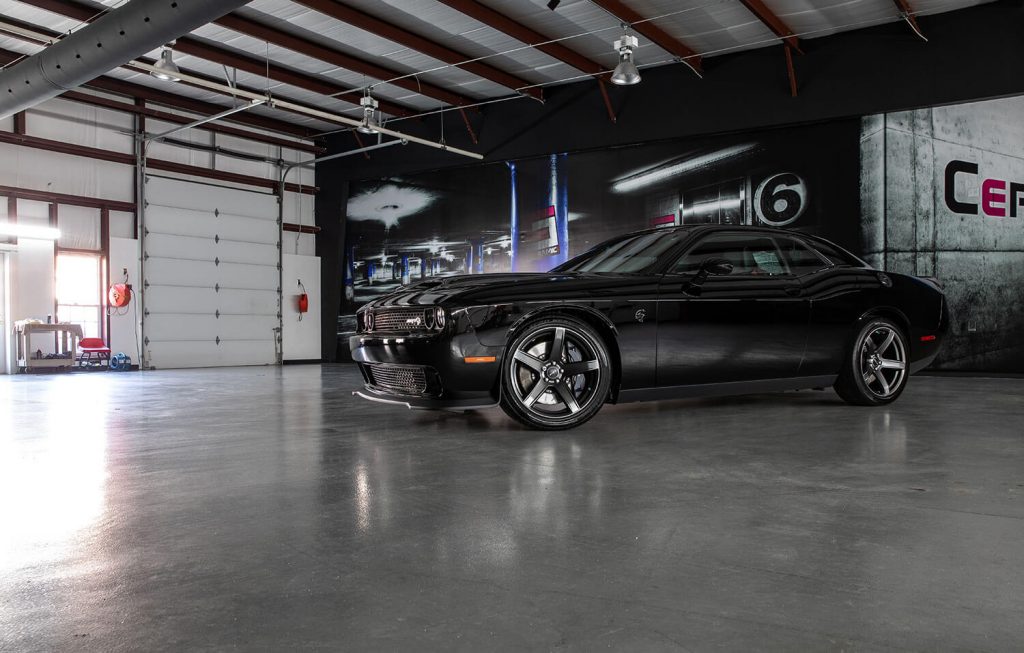
Paint protection film (PPF) is a clear, flexible material made from thermoplastic polyurethane (TPU) that is applied directly to a car’s painted surfaces. Its main purpose is to protect against:
Unlike wax or ceramic coatings, which sit on the surface and mainly improve appearance, PPF provides physical protection by absorbing impact before it reaches the paint. Most modern PPF is nearly invisible, meaning it protects the vehicle without changing its original look.
For a full breakdown of how PPF blocks UV radiation and extends paint lifespan, see our PPF UV protection guide.
Paint protection film works through a multi-layer structure designed to absorb impact and repair minor surface damage. A typical PPF system includes:
When debris strikes the surface, the TPU layer spreads the force across the film rather than allowing it to penetrate the paint.
For light scratches, the topcoat reacts to heat from sunlight or warm water, allowing the material to return to its original shape.
PPF is not always applied to the entire vehicle. Most installations focus on high-impact areas.
Common application zones include:
The right coverage depends on your driving habits, vehicle type, and budget. Charlotte drivers who use I-77 or I-485 regularly are especially likely to benefit from full front-end coverage due to highway debris exposure.
Not all PPF is the same. Options vary based on coverage, finish, and quality.
Higher-quality films offer better clarity, longer lifespan, and improved resistance to yellowing and peeling. XPEL ULTIMATE PLUS is among the most commonly installed premium films in Charlotte for drivers who want long-term optical clarity and self-healing performance.
It’s important to understand how PPF compares to other popular options:
| Feature | PPF (Paint Protection Film) | Vinyl Wrap | Ceramic Coating |
|---|---|---|---|
| Main Purpose | Physical paint protection | Color/style change | Surface enhancement |
| Impact Protection | Yes, protects against rock chips & debris | Minimal | None |
| Appearance | Clear or slight finish enhancement | Wide range of colors & finishes | Enhances gloss |
| Self-Healing | Yes (on most premium films) | No | No |
| Hydrophobic | Yes | Limited | Yes |
| Durability | 5 to 10 years | 3 to 5 years | 2 to 5 years |
Many car owners choose to combine PPF with ceramic coating for both protection and easier maintenance.
Below is a step-by-step guide on how to install PPF to ensure long-lasting protection and a flawless result.
The vehicle is thoroughly washed and decontaminated, followed by paint correction to remove imperfections.
The PPF is pre-cut or custom-trimmed, then applied using a slip solution for precise alignment.
The installer uses a squeegee to remove water and air bubbles, ensuring full adhesion to the paint.
Heat is applied to seal edges and contours, followed by a detailed inspection for a flawless finish.
High-quality PPF installed by professionals typically lasts between 5 and 10 years. Its lifespan depends on:
In Charlotte’s climate, where UV levels are often high during the spring and summer months, proper film selection and maintenance are especially important for maximizing lifespan.
While PPF is highly durable, it is not immune to issues, especially with poor materials or installation.
Common problems include:
Most of these issues can be avoided by choosing a reputable installer and high-quality film.
Proper maintenance helps extend both lifespan and appearance.
Recommended care:
Suggested maintenance schedule:
Charlotte vehicles are especially exposed to pollen, road tar, and construction fallout from April through June. A decontamination inspection every 3 to 4 months is recommended for these conditions. For full decontamination and clay bar guidance specific to PPF, see our PPF clay bar maintenance guide.
The cost of PPF varies depending on coverage, vehicle size, and installation quality.
| Coverage Type | Typical Price Range |
|---|---|
| Partial Coverage | $500 to $1,000 |
| Front-End Protection | $1,500 to $2,500 |
| Full Vehicle Wrap | $4,000 to $7,000+ (varies based on vehicle size, film type, and installer) |
While the upfront cost is higher than options like ceramic coating, PPF can help avoid expensive repainting, especially on high-impact areas like the hood and bumper. For many owners, the long-term savings justify the investment.
Paint protection film is not necessary for every vehicle, but it provides strong value in the right situations.
| Situation | PPF Worth It? |
|---|---|
| New or high-value vehicle | Yes, strong case for full or front-end coverage |
| Daily highway driving (Charlotte area) | Yes, high debris exposure justifies investment |
| Long-term ownership (5 years or more) | Yes, the cost of PPF is typically lower than one repaint |
| Older vehicle or short-term ownership | Less likely, ROI less clear |
| Low-usage or garaged vehicle | Optional, lower exposure reduces urgency |
For most Charlotte drivers who park outdoors and use highways regularly, PPF on the front end can help offset repaint costs over time by preventing rock chip damage and UV-related wear.
If you want to protect your vehicle from everyday damage while keeping it looking brand new, paint protection film is one of the most effective protection options available. Sun Stoppers Window Tinting in Charlotte provides professional paint protection film services, using high-quality materials and expert installation techniques to deliver a flawless finish.
Contact us today to schedule your appointment and give your vehicle the protection it deserves.
Paint protection film is typically made from thermoplastic polyurethane (TPU), a flexible and durable material designed to absorb impacts and resist scratches. Premium films like XPEL ULTIMATE PLUS also include a self-healing elastomeric topcoat and UV inhibitor system.
Yes. When installed correctly by a professional, PPF can be safely removed without harming the original paint. Improper removal, especially on cold film, can leave adhesive residue. Professional removal using a steamer is the recommended approach.
No. Most PPF is optically clear and nearly invisible after installation. Some options can enhance gloss or create a matte finish. XPEL ULTIMATE PLUS maintains optical clarity for the duration of its warranty period.
Wash regularly using pH-neutral shampoo, avoid harsh chemicals and abrasive tools, and apply a PPF-safe sealant every 6 to 12 months. Avoid high-pressure water directly on edges.
For vehicles driven regularly in high-debris environments like Charlotte highways, PPF on the front end can help offset repaint costs over time by preventing rock chip damage and UV fading. The ROI is strongest on new or high-value vehicles with long-term ownership plans.
Yes. Premium PPF is designed to block a high percentage of UV radiation, helping prevent paint fading, oxidation, and clear coat degradation.
PPF is a clear protective film designed to shield paint from physical damage and UV exposure. Vinyl wrap is primarily a cosmetic product used to change a vehicle’s color or finish. PPF provides significantly stronger impact protection than vinyl wrap.
Minor surface scratches in the PPF topcoat can self-heal when exposed to heat, whether from sunlight or a heat gun. Deeper scratches that penetrate through the film to the paint require professional assessment. The self-healing capability is one of the primary advantages of premium TPU-based films like XPEL.